
Introduction: Why conservation matters in Sweden
Sweden’s landscapes—from boreal forests and peat-rich wetlands to the arable lowlands and rugged coastlines—support unique ecosystems, cultural traditions, and a climate-regulating carbon sink. Conserving these natural assets is not only an environmental priority but also central to rural livelihoods, outdoor recreation, and Sweden’s global reputation for sustainability. This article presents practical, community-focused conservation strategies tailored to Sweden’s environment and social context.
Key conservation approaches
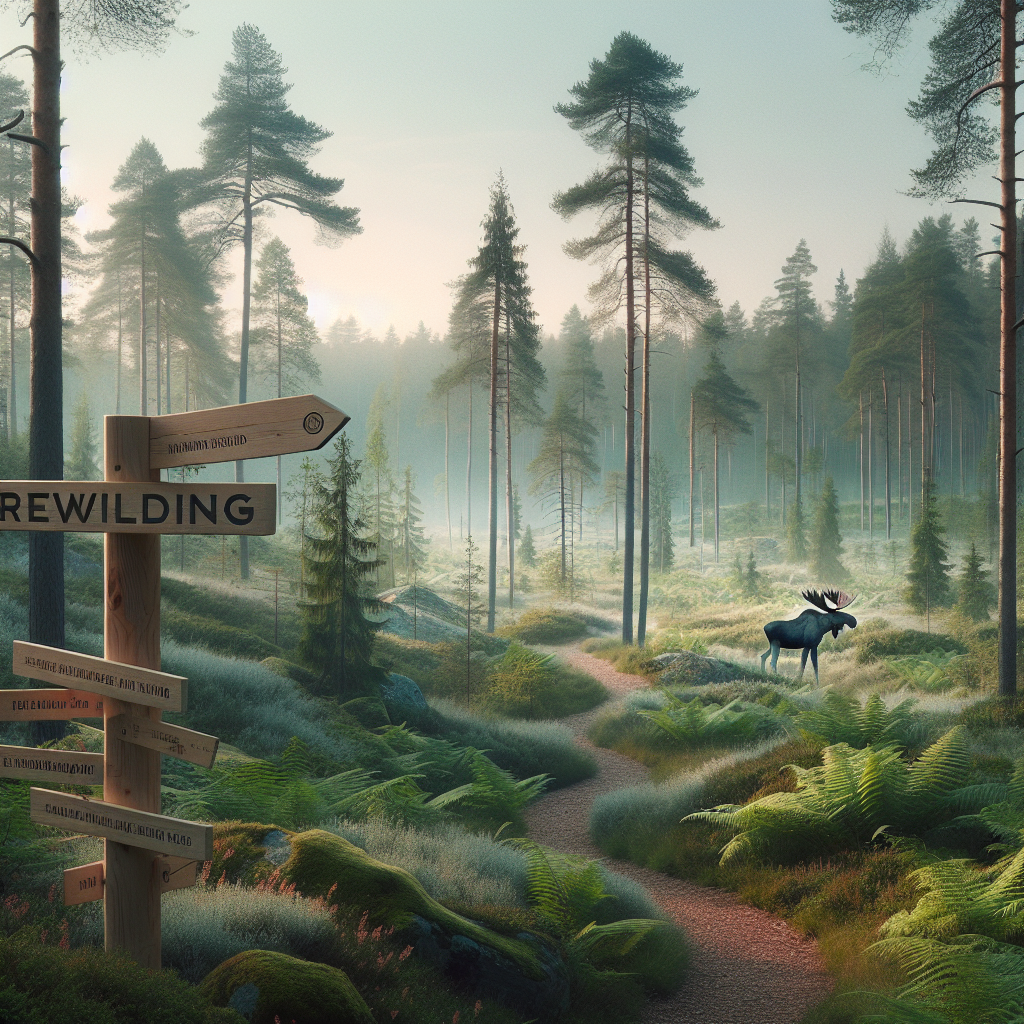
1. Rewilding and forest connectivity
Rewilding focuses on restoring natural processes and habitats to encourage native species to recover. In Sweden, this can mean reconnecting forest patches to allow species like capercaillie, lynx, and small mammals to move safely between habitats. Approaches include:
- Creating biological corridors across managed landscapes.
- Reducing clear-cut patch sizes and promoting mixed-age stands in forestry operations.
- Encouraging natural regeneration in appropriate areas rather than intensive planting everywhere.
2. Wetland restoration and peatland protection
Peatlands and wetlands are vital for biodiversity and carbon storage. Restoring drained or degraded wetlands improves water quality, reduces flood risks, and reestablishes habitats for migratory birds and amphibians.
- Block drainage ditches where feasible to rewet peatlands and stop carbon losses.
- Prioritize conservation of intact bogs and marshes in regional planning.
- Support farmer-led measures to reduce nutrient runoff into wetlands and lakes.
3. Biodiversity corridors and landscape-scale planning
Species thrive when landscapes are planned at scale rather than as isolated reserves. Municipalities and regional authorities can incorporate biodiversity corridors into land-use decisions to maintain genetic flow and ecosystem resilience.
Community-led conservation: practical on-the-ground actions
Volunteer monitoring and citizen science
Local volunteers can help gather large volumes of useful data—nesting bird surveys, amphibian counts, and seasonal phenology observations. These projects build public awareness and provide authorities with early-warning signs of decline.
Farmers, foresters, and private landowners
Many of Sweden’s habitats are on privately owned land. Incentives for biodiversity-friendly practices—such as longer forest rotations, retention of old trees, and buffer strips along waterways—make a big difference. Payment for ecosystem services and targeted grants help landowners adopt measures that are both economically and ecologically sensible.
Urban nature and small-scale actions
Conservation is not only rural. Cities can increase biodiversity by restoring street trees, creating pollinator corridors, and protecting remnant wetlands. Residents can make meaningful choices at home: selecting lower-impact appliances, reducing waste, and choosing products from sustainable sources. For example, when upgrading household appliances, learn about which vacuum cleaner to choose to find energy-efficient models that cut electricity use and microplastic emissions from carpets and curtains.
Policy, public funding, and national leadership
Effective conservation combines grassroots actions with national strategy. Sweden’s policies emphasise the integration of environmental goals across sectors—energy, transport, forestry, and agriculture. For a clear overview of national commitments and sustainability priorities, review information on Sweden and sustainability, which outlines how environmental goals are embedded across society.
Linking conservation to culture and local economies
Conservation must benefit local communities to be durable. Eco-tourism, sustainable harvests (mushrooms, berries, selective timber use), and nature-based enterprises create income streams tied to healthy ecosystems. Cultural venues and community events can amplify conservation messages—venues that engage the public often support fundraising and awareness campaigns. For example, hosting a fundraiser or community dinner at a notable local venue like Experience the grandeur of Grand Malmö Restaurant can draw attention to regional conservation projects while connecting cultural life to environmental stewardship.
Gift culture can also support conservation when consumers choose local, sustainable products that encourage ethical production and reduced transport emissions. Curated gift guides can point shoppers toward ethical options; see an example in local consumer culture such as Hottest 2022 Christmas Gifts in Sweden, which historically highlights popular Swedish items and can inspire greener gift choices when evaluated with conservation priorities in mind.
Everyday actions people can take
- Adopt native plants and pollinator-friendly gardening—these provide habitat and reduce the need for pesticides.
- Choose sustainably certified wood and paper products to support responsible forestry.
- Minimise nutrient runoff by using buffer strips along ditches and reducing fertilizer use on small plots.
- Participate in local restoration days and tree planting events to build social capital and ecological resilience.
- Support local conservation organizations through donations, volunteering, or attending educational events.
Measuring success and adapting
Adaptive management—acting, monitoring, learning, and adjusting—is essential. Use measurable indicators (species presence, water quality, carbon sequestration rates) and keep management plans flexible. Partnerships between researchers, municipalities, and communities accelerate learning and increase the chance that conservation actions deliver real benefits.
Conclusion: A practical path forward
Sweden’s blend of strong environmental institutions, engaged communities, and diverse landscapes creates fertile ground for practical conservation that benefits nature and people alike. From restoring peatlands and connecting forests to empowering urban biodiversity and choosing lower-impact household goods, change happens both at scale and in daily habits. Combining traditional ecological knowledge with modern policy and citizen action yields the best prospects for safeguarding Sweden’s natural heritage for future generations.