
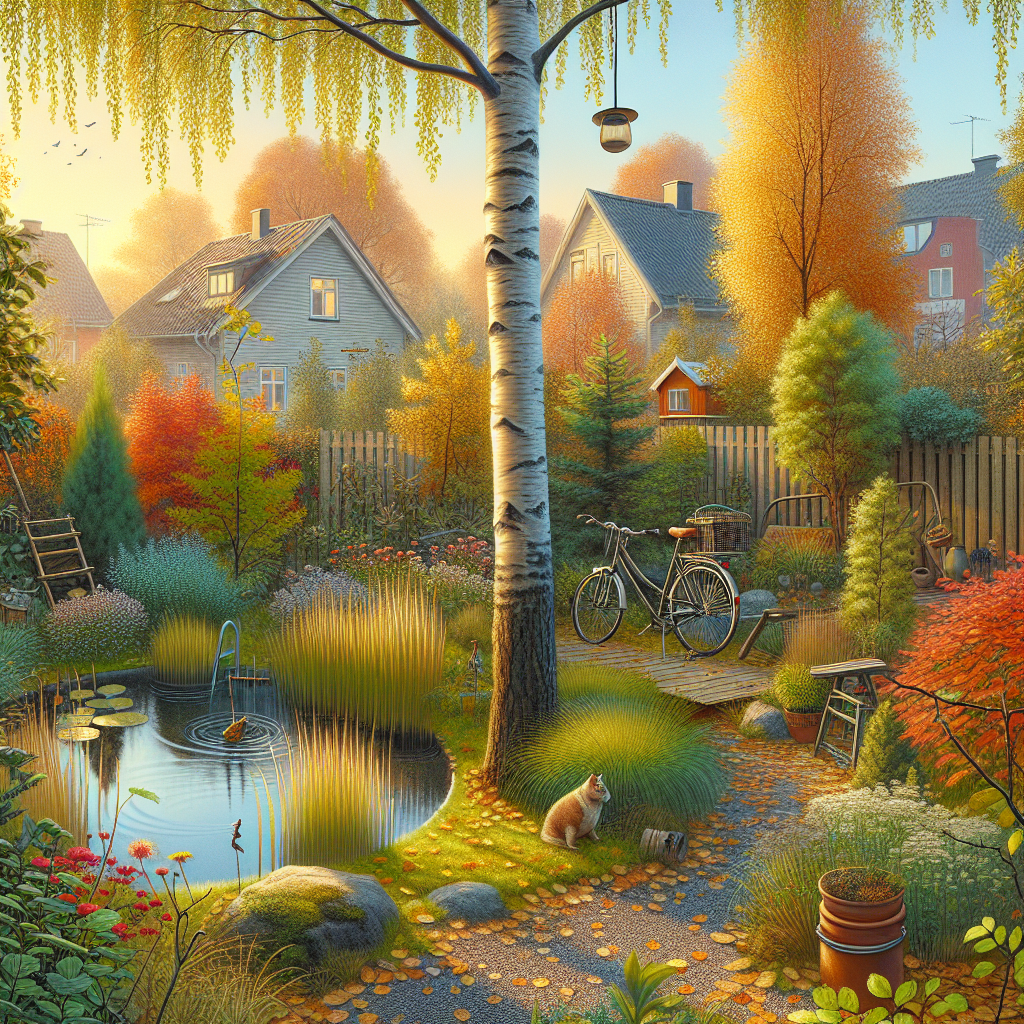
Sweden’s cities and towns hold more biodiversity than many people expect. From pocket parks and roadside verges to private balconies and community gardens, urban spaces are important refuges for plants, birds, insects, and fungi. This article explains why urban biodiversity matters in Sweden, practical steps homeowners and renters can take to support wildlife, and ways to get involved through citizen science and local culture.
Why urban biodiversity matters in Swedish cities
Green spaces woven into urban fabric deliver clear benefits: they support pollinators, reduce heat islands, improve air quality, and create psychological wellbeing for residents. A healthy urban ecosystem also connects people to seasonal rhythms and local natural history — an especially meaningful connection in a country where nature is central to identity. For context on Sweden’s wider geography and environmental backdrop, see the Britannica entry on Sweden, which outlines the country’s range of habitats from coastlines to boreal forests.
Key urban habitats to protect
- Small woodlands and street trees — vital for nesting birds and shade.
- Hedgerows and native shrubs — corridors for insects and small mammals.
- Balconies and courtyards — perfect for pollinator-friendly container gardens.
- Ponds and rain gardens — support amphibians, insects, and water-dependent plants.
Practical steps to make your yard or balcony wildlife-friendly
Even small interventions can have a big impact. Here are practical, modern tips that align with sustainable urban living:
1. Choose native plants and structural diversity
Plant a mix of native trees, shrubs and herbaceous plants. Native species tend to support more local insects and birds than exotic ornamentals. In Swedish urban gardens, consider including small native trees like birch or rowan, shrubs such as hawthorn and bird cherry, and pollinator-friendly perennials. Layering plants (groundcover, perennials, shrubs, trees) creates habitat niches for different species.
2. Reduce lawn area and create wildflower patches
Lawns are resource intensive and low-value for biodiversity. Replace sections with wildflower meadows or native groundcover to attract bees, butterflies, and beneficial insects.
3. Provide water and shelter
Install a small pond or bird bath and add a log pile or rockery for shelter. Even a shallow dish of water on a balcony helps birds and insects during dry spells.
4. Install nest boxes and insect hotels
Different species require different designs. Research target species before installing nest boxes, and position them away from heavy foot traffic.
5. Use wildlife-friendly materials and finishes
When building birdhouses, feeders, fences or raised beds, choose non-toxic materials and finishes. For guidance on safe coatings and paints suitable for outdoor structures around wildlife, consult a guide to choosing the right paint. Selecting low-VOC, water-based paints and untreated wood where possible reduces risk to birds and insects.
Light, noise and chemicals — modern concerns
Urban environments introduce specific threats: artificial light at night can disrupt migratory and nocturnal species; excessive noise interferes with bird communication; and pesticides reduce insect abundance. Mitigation measures include installing motion-activated or shielded lighting, keeping night-time noise low during breeding seasons, and avoiding insecticides in favor of integrated pest management.
Citizen science and community action in Sweden
Citizen science is a powerful way to track biodiversity trends and engage communities. In Sweden, volunteer contributions to observation databases and local projects help researchers monitor species and phenology. You don’t need special equipment — a smartphone, curiosity, and a willingness to share observations often suffice.
How to get started
- Join local groups or apps that collect species observations; many platforms welcome amateur naturalists.
- Participate in seasonal surveys for birds, butterflies, and flowering times to contribute long-term data.
- Share findings with neighbours and your municipality to encourage broader green planning.
Nature, culture and family learning
Introducing children to nature doesn’t need to happen only outdoors. Museums and cultural institutions in Stockholm often connect play and learning with natural history. For example, families can combine a trip to learn about historical playthings with hands-on nature activities — see All manner of toys on display at Stockholm Toy Museum as a way to spark curiosity about the natural world through objects and stories. Linking museum visits with simple backyard projects builds lifelong interest in biodiversity.
Planning visits and practicalities
If you are traveling to Sweden to explore urban nature, be prepared with practical arrangements. Small excursions into parks and reserves are often best combined with local cultural visits or family activities. It’s also wise to plan currency needs ahead of time — for a smooth trip, consider options to Get your desired currency at a Forex dealer in Stockholm before you depart on day trips or small purchases.
How municipalities and planners can help
City planners play a major role in connecting green patches into corridors and securing ecological resilience. Practical municipal actions include planting native street trees, protecting mature trees, creating wetland features in stormwater design, and incentivizing green roofs and permeable surfaces. Citizen input and data from local biodiversity monitoring helps guide these measures.
Getting involved — steps you can take today
- Plant a native shrub or wildflower patch.
- Install a shallow water source and a small shelter for insects.
- Reduce use of pesticides and artificial night lighting.
- Document species you see and contribute to local observation platforms.
- Visit cultural venues with children and combine play with nature education.
Conclusion
Urban biodiversity in Sweden is accessible to everyone: residents, families, planners, and visitors. Small, informed changes at home and participation in community science make a measurable difference to local ecosystems. By combining cultural experiences, practical garden techniques, and thoughtful materials choices, Swedes and visitors alike can help cities become richer habitats for wildlife and more resilient places to live.